
Yes, you can have an EV charger without a driveway, but it needs more planning than a standard home installation. If you have a driveway, garage or private parking space, home charging is usually straightforward. The charger sits on your property, the cable reaches your car safely, and you can plug in overnight.
Without a driveway, the main issue is access. You need to know where the car will park, how the cable will reach it, whether the route is safe, and what permissions are needed. No driveway is not the end of the conversation. It simply means the parking, cable route, and permissions need checking before you buy the car or book an installation.
At The Full EV, we focus on whether the charging setup will work in everyday use, not just whether a charger can technically be fitted.
Why no driveway makes EV charging more complicated
Home charging works best when the car is parked on private land. Without that, the cable may need to pass from your property to a car parked on the road.
That raises three practical questions:
- Can you usually park close enough to your home?
- Can the cable reach the car safely?
- Will the relevant authority allow a pavement solution?
If the answer to any of those is no, home charging may not be the best route. If the answer is yes, a properly installed cross-pavement setup may be worth exploring.
Nobody wants their EV routine to become a nightly parking lottery. That is not innovation; it is just stress with a cable.
What cross-pavement charging means
A cross-pavement charging solution is a permanent channel or gully installed into the pavement. It allows an EV charging cable to pass safely through the footpath instead of lying loose across it.
This matters because a loose cable can create a trip hazard. Temporary cable covers or mats are not the same as a permanent approved solution. A proper channel is designed to reduce trip risk and keep the walking surface usable.
The government’s guidance for the Electric Vehicle Chargepoint Grant for Households with On-Street Parking explains that support applies where a chargepoint is installed with a cross-pavement charging solution, such as a cable channel.
A typical setup may include:
- A smart EV charger fitted to your property
- A suitable electrical connection
- A permanent cable channel across the pavement
- A safe cable route to your parked vehicle
- Permission before installation
The charger is only part of the job. The safe cable route is what makes the setup work.
When you need permission
In most cases, you will need permission if the cable has to cross a public pavement.
That usually means speaking to the relevant highways authority before any pavement work is carried out. If you rent, live in a flat, or have a managed property, you may also need permission from a landlord, freeholder or managing agent.
The installer can advise on the charger and electrical installation, but permission for pavement works usually sits with the relevant authority. A safe electrical installation still needs an approved cable route if it crosses public land.
This is one of those jobs where it pays to slow down at the start. Fitting the wrong setup quickly can become far more awkward than planning the right one properly.
When home charging can still work
A home charger without a driveway is more likely to make sense if you can usually park outside or near your property.
Before going further, ask:
- Can you normally park close to home overnight?
- Is the pavement suitable for a safe channel?
- Would the cable route be short and direct?
- Would pedestrians still have clear access?
- Is permission likely to be granted?
A short, direct cable route is usually easier to assess than a long or awkward route. Narrow pavements, busy walking routes, street furniture and uneven surfaces can all affect whether a channel is likely to be suitable.
The important point is that the charger does not reserve a parking space. If someone else parks outside your home, you may not be able to charge when you want to.
What grants may be available
Grant support may be available, but it should not be the only reason to choose a setup.
At the time of writing, the on-street parking grant offers 75% off the cost of buying and installing a socket, up to a maximum of £500, for eligible households installing a chargepoint when also installing a cross-pavement charging solution. The scheme is listed as open until 31 March 2027, although grant rules can change.
For a wider look at funding routes, our guide to EV charger grants explains the main options for homeowners, landlords and businesses.
Do not install first and ask about the grant later. Funding is usually tied to eligibility, approved installers and the correct process.
Options if you cannot install a home charger
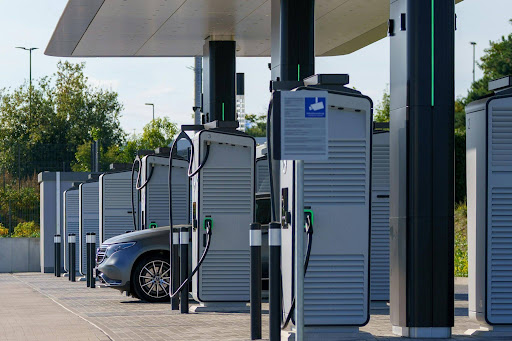
If a home charger is not practical, you still have options.
| Charging option | Best suited to | Main benefit | Main limitation |
| Home charger with cable channel | Drivers who usually park near their homes | Convenient charging from your property | Needs permission and suitable pavement access |
| Public on-street charging | Drivers without reliable home parking | No installation at home | Availability and pricing can vary |
| Workplace charging | Regular commuters | Charge while the car is parked during the day | Depends on the employer’s facilities |
| Rapid charging | Occasional top-ups and longer trips | Fast and flexible | Usually more expensive |
| Communal charging | Flats and shared parking areas | Several residents can use the planned infrastructure | Needs landlord or managing agent involvement |
For some drivers, the most workable setup is a mix of workplace, public and occasional rapid charging. You might charge at work during the week, use public chargers when needed, and rely on rapid charging for longer journeys.
What renters and flat owners should know
Renters and flat owners may still be able to install a charger, but permission becomes a bigger part of the process.
There is a separate government grant for renters and flat owners installing EV chargepoints, which can help with eligible installations. However, the property and parking arrangement must meet the scheme rules.
If you live in a flat or shared building, a communal charging setup may make more sense than one charger for one person. It can allow better planning around electrical capacity, billing, access and future demand.
It is not always the quickest answer, but it usually creates a cleaner long-term setup.
Choosing the right charger
If a home charger is suitable, the next question is which charger makes sense.
Most domestic EV chargers are 7kW, which is usually enough for overnight charging. Some drivers ask about 22kW charging, but that normally requires a three-phase electrical supply, which many homes do not have.
Our guide to 7kW vs 22kW EV charging explains how charger speed affects real-world use.
You should also think about whether you want a tethered or untethered charger. A tethered charger has the cable attached, which can be convenient. An untethered charger has a socket, so you plug in your own cable.
For on-street parking, cable handling and neat storage matter more than usual. Our guide to tethered vs untethered EV chargers breaks down the pros and cons.
Why public charging may still be part of the answer
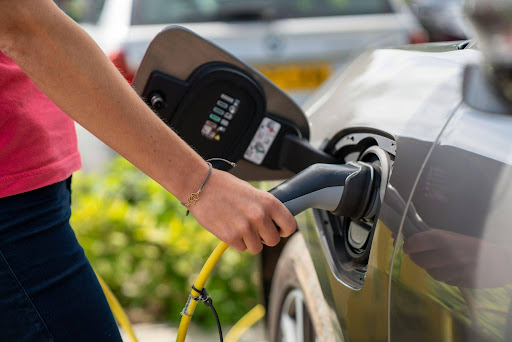
Even if you want a home charger, public charging may still have a role.
Home charging is usually more convenient when it works, especially with smart charging and off-peak tariffs. Public rapid charging is useful for longer journeys or occasional top-ups, but it can cost more than charging at home.
The Energy Saving Trust’s advice on charging electric vehicles gives a useful overview of home, workplace and public charging options.
For drivers without driveways, the best setup is often about routine. The question is not simply “Can I install a charger?” It is “Can I charge in a way that fits my week?”
What may change next?
Rules and support for pavement charging are still developing.
A recent report on pavement charging reforms highlighted proposals intended to make it easier for households without driveways to use charging cable gullies.
That is encouraging, but it does not mean every property will qualify. Pavement width, street layout, safety and approval will still matter.
The simple rule remains the same. Check before you install anything.
What to check before buying the car
Before choosing an EV, work out the charging plan.
Start with your weekly mileage. If you only drive short distances, you may not need to charge every night. The more miles you cover, the more important reliable charging becomes.
Then look at your usual parking pattern. If you can rarely park near home, a domestic charger may not be worth the effort.
You should also check nearby public chargers, workplace charging options and whether your property could support a safe installation.
A qualified EV charger installer should review the electrical supply, charger position, cable route, likely permission requirements and grant suitability before recommending a setup. This is not a setup to design from photos alone.
How The Full EV can help
No-driveway EV charging needs practical advice, not guesswork.
At The Full EV, we can help you understand whether a home charger may be suitable, what permissions you may need to check, which charger type could make sense, and whether grant support may apply.
Our home EV charger installation is designed to help you get those details right before committing to a setup. We can assess your property, look at how and where you park, explain the likely installation considerations, and help you choose a charging option that fits your everyday routine.
If a cross-pavement solution is not suitable, we can also talk through other practical options, so you are not left forcing a setup that was never going to work.
The key takeaway
Yes, you can have an EV charger without a driveway, but it depends on your parking, pavement access, permissions and whether a permanent cross-pavement solution is suitable.
If you can usually park close to home, a domestic charger with an approved cable channel may work well. If not, public, workplace or communal charging may be more practical.
The safest approach is to check your charging options before you buy the car or book an installation. Once the charging plan is sorted, the rest of the EV switch becomes much easier.

