
One of the most common questions around electric vehicles is simple:
“How much does it actually cost to charge?”
The answer is not always straightforward. Costs vary depending on where you charge, when you charge, and how you use your vehicle.
However, one thing is clear. There is a significant difference between home charging and public charging.
Understanding that difference is key to understanding the real cost of running an EV.
The Basic Formula
At its simplest, EV charging cost is calculated using:
Battery size (kWh) × electricity price (per kWh)
For example:
- 60 kWh battery
- 30p per kWh electricity
Full charge = £18
But this is only a starting point.
Why Real-World Costs Are Different
In reality, most drivers do not charge from empty to full.
Instead, they:
- Top up regularly
- Charge overnight
- Use a mix of home and public charging
This means actual costs depend on several factors.
Key Variables
- Electricity tariff
- Charging efficiency
- Time of day
- Battery size
- Driving habits
Understanding these variables helps build a more accurate picture.
Home Charging vs Public Charging
The biggest cost difference comes from where you charge.
| Charging Type | Typical Cost per kWh | 60 kWh Charge |
|---|---|---|
| Home Charging | 20p – 35p | £12 – £21 |
| Public Charging | 50p – 90p+ | £30 – £54+ |
Public charging is more expensive because providers include infrastructure, maintenance, and convenience in their pricing.
Why Home Charging Is More Cost-Effective
Home charging gives you control.
You can choose when to charge and take advantage of cheaper electricity rates.
Advantages of Home Charging
- Lower electricity costs
- No additional fees
- Predictable pricing
- Ability to use off-peak tariffs
For most EV owners, this is where the majority of savings come from.
Off-Peak Charging: Where the Savings Add Up
Many energy suppliers offer tariffs designed specifically for EV users.
These provide cheaper electricity during certain hours, typically overnight.
Example
- Standard rate: 30p per kWh
- Off-peak rate: 10–15p per kWh
Charging overnight can reduce costs significantly over time.
Real-World Cost Comparison
Let’s compare two realistic scenarios.
Home Charging (Off-Peak)
- 15p per kWh
- 60 kWh battery
- Cost: £9
Public Rapid Charging
- 70p per kWh
- 60 kWh battery
- Cost: £42
Over a year, the difference can be substantial, particularly for drivers covering higher mileage.
The Role of a Home EV Charger
While it is possible to charge an EV using a standard plug, it is not ideal for regular use.
A dedicated home charger improves both efficiency and convenience.
At The Full EV, we install smart chargers designed to optimise charging around your usage and tariff.
Benefits of Installing a Home Charger
- Faster charging times
- Improved safety
- Smart scheduling for cheaper rates
- App-based control and monitoring
- Better long-term cost efficiency
Convenience Is Just as Important as Cost
Charging at home changes how you use your vehicle.
Instead of planning trips around charging, it becomes part of your routine.
You simply plug in overnight and wake up to a full battery.
This convenience is one of the main reasons EV drivers prefer home charging.
When Public Charging Still Makes Sense
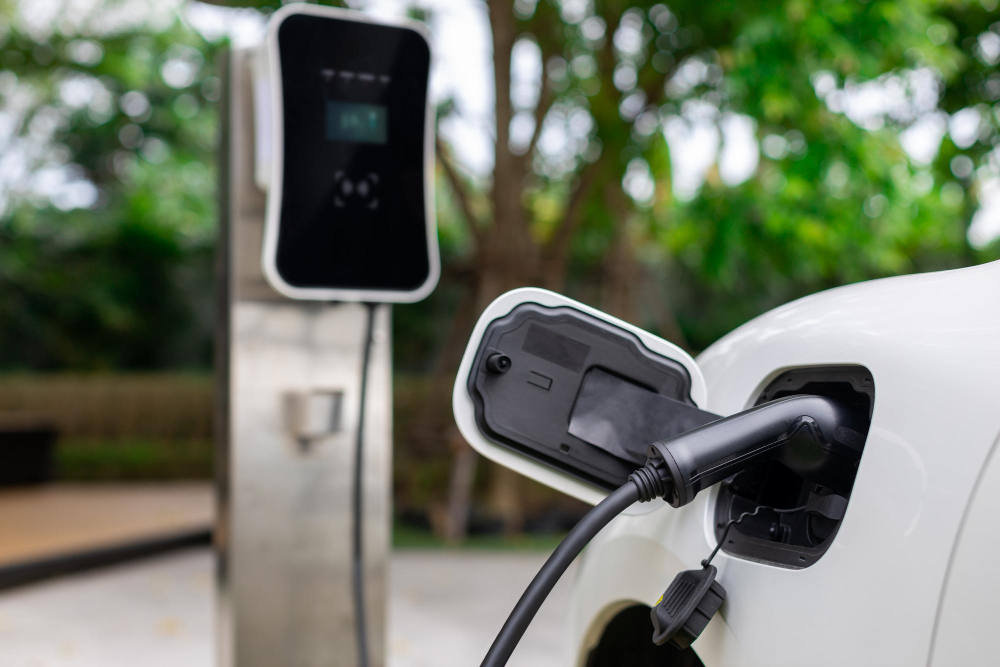
Public charging still plays an important role.
It is useful for:
- Long-distance journeys
- Drivers without off-street parking
- Occasional top-ups
However, it is generally more expensive and less predictable.
A Balanced Charging Strategy
Most EV owners use a combination of both.
- Home charging for daily use
- Public charging for longer trips
This provides flexibility while keeping costs under control.
Long-Term Cost Savings
Compared to petrol or diesel vehicles, EVs can offer significant savings over time.
These include:
- Lower fuel costs
- Reduced maintenance
- Potential incentives
The key is maximising home charging where possible.
Final Thoughts
Understanding EV charging costs is essential for making informed decisions.
While public charging is convenient, home charging is where the real savings come from.
Installing a home charger allows you to take full advantage of cheaper tariffs and simplify your day-to-day driving.

