
Reducing your business’s carbon footprint has shifted from a long-term ambition to an immediate priority. For many organisations across the UK, it now sits alongside cost control, growth, and operational efficiency as a core business objective.
Customers are paying closer attention to sustainability credentials. Procurement processes increasingly include environmental criteria. Employees expect businesses to take responsibility. At the same time, energy costs and regulatory pressures continue to rise.
The challenge is not understanding why it matters. It is knowing where to start, and what will actually make a meaningful difference.
In practice, the most effective approach is to focus on the areas with the greatest impact first. For many businesses, that begins with transport.
Why Transport Is Often the Biggest Contributor
Transport emissions can quietly make up a large proportion of a company’s overall carbon footprint, particularly for businesses that rely on vehicles, logistics, or field-based teams.
This includes:
- Company cars and vans
- Delivery vehicles
- Staff commuting
- Business travel
Unlike some areas of emissions, transport is also one of the most controllable. You can measure fuel usage, understand patterns, and make changes relatively quickly.
This is why many businesses are prioritising fleet electrification as a first step.
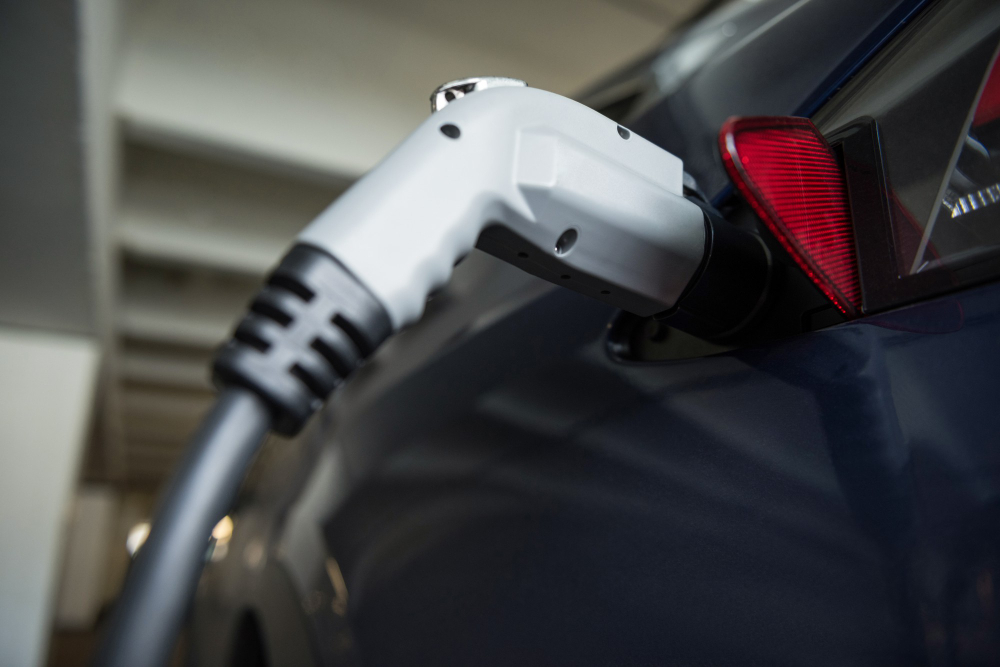
Switching to Electric Vehicles – A Practical Starting Point
Moving from petrol or diesel vehicles to electric vehicles is one of the most direct ways to reduce emissions.
From a business perspective, this is not just about sustainability. It is also about efficiency.
The Operational Benefits of EVs
Electric vehicles are often more predictable and cost-effective to run. Businesses that make the switch typically notice:
- Lower fuel costs compared to petrol or diesel
- Reduced servicing requirements due to fewer moving parts
- Quieter operation, which can be beneficial in certain environments
- Access to tax advantages, particularly for company cars
- Improved perception when working with environmentally conscious clients
For example, a business running a small fleet of diesel vans may find that switching even part of that fleet to electric reduces both fuel spend and emissions significantly within the first year.
The Missing Piece – Charging Infrastructure
One of the most common barriers businesses face is not the vehicles themselves, but how they will charge them.
Relying solely on public charging can create uncertainty:
- Availability is not always guaranteed
- Costs can vary significantly
- Charging times may not align with operational schedules
This is where workplace charging becomes essential.
Why Workplace EV Charging Changes Everything
Installing EV chargers on-site gives businesses control.
Instead of relying on external infrastructure, you create a system that works around your operations.
The Real-World Advantages
- Vehicles can charge overnight or between jobs
- Drivers start the day fully charged
- Charging costs become predictable
- Reduced downtime searching for public chargers
- Employees can also benefit, encouraging wider EV adoption
From experience, this is often the point where businesses move from “considering EVs” to actually implementing them.
At The Full EV, we regularly work with businesses that initially hesitate, then move quickly once charging infrastructure is in place.
You can learn more about our workplace charging options here:
https://thefullev.co.uk/workplace/
Planning Charging Properly – What Actually Matters
Installing EV chargers is not just about choosing a unit and fitting it. The design of the system matters.
1. Electrical Capacity
Your existing supply determines how many chargers can be installed and how they operate.
In some cases, upgrades may be required. In others, smart systems can optimise what you already have.
2. Load Management
Smart load balancing allows multiple chargers to share available power.
This means:
- No risk of overloading your system
- Lower infrastructure costs
- More efficient energy use
3. Scalability
A common mistake is installing for today’s needs only.
In reality, EV adoption within a business often grows quickly. Staff begin switching. Fleets expand.
Planning for future capacity avoids expensive rework later.
4. Access and Usage
Businesses need to decide:
- Who can use the chargers
- Whether charging is free or paid
- How usage is monitored
Getting this right ensures the system supports both operational and financial goals.
Beyond Transport – Building a Broader Strategy
While transport is a strong starting point, reducing your carbon footprint requires a wider approach over time.
Improving Energy Efficiency
Energy efficiency is often one of the quickest wins.
Many businesses are still operating with outdated systems that use more energy than necessary.
Practical Changes That Make a Difference
- Switching to LED lighting
- Installing motion sensors in low-use areas
- Upgrading heating and cooling systems
- Replacing inefficient equipment
These changes not only reduce emissions but often deliver immediate cost savings.
Switching to Renewable Energy
Reducing emissions linked to electricity is another key step.
Businesses can:
- Switch to renewable energy tariffs
- Install solar panels
- Use battery storage to manage demand
Solar, in particular, can work well alongside EV charging, allowing businesses to power vehicles using on-site generated energy.

Reducing Waste
Waste is often overlooked but contributes to emissions across the lifecycle of materials.
Areas to Focus On
- Reducing single-use packaging
- Improving recycling processes
- Working with suppliers who minimise waste
Even small changes here can have a cumulative impact.
Reviewing Supply Chains
For many businesses, a large portion of emissions comes from suppliers.
This is often referred to as Scope 3 emissions.
Practical Steps
- Source locally where possible
- Work with environmentally responsible partners
- Reduce unnecessary transport distances
While this can be more complex to address, it is an important part of a long-term strategy.
A Simple Framework for Businesses
To avoid overwhelm, it helps to follow a structured approach.
Step-by-Step
- Identify your biggest emission sources
- Focus on high-impact areas first (often transport)
- Implement practical changes
- Measure results
- Expand into other areas over time
This keeps progress manageable and measurable.
The Financial Case for Reducing Your Carbon Footprint
One of the biggest misconceptions is that sustainability is expensive.
In reality, many changes improve efficiency.
Businesses often see:
- Lower fuel and energy costs
- Reduced maintenance spend
- Improved operational reliability
- Increased competitiveness in tenders
For example, a business that installs EV chargers and switches part of its fleet may reduce fuel costs while also strengthening its environmental credentials.
Why EV Charging Is Often the First Step
From a practical standpoint, EV charging is one of the most effective entry points into sustainability.
It is:
- Tangible
- Visible
- Immediately useful
- Scalable over time
It also supports both business operations and employees, creating wider impact.
At The Full EV, we see this regularly. Businesses start with one or two chargers, then expand as demand grows.
Common Mistakes to Avoid
Trying to do everything at once
This often leads to inaction. Focus on high-impact areas first.
Underestimating future demand
EV adoption within businesses tends to accelerate.
Ignoring operational needs
Solutions need to work day-to-day, not just on paper.
Taking the First Step
Reducing your carbon footprint does not need to be complicated.
Start with the areas that offer the biggest impact. For many businesses, that means transport.
Once you have taken that first step, everything else becomes easier to build on.

